National autonomous systems certification authority
Certify the system before the system has to defend itself.
NASCA gives autonomous-system owners, engineering teams, auditors, law enforcement, and the public one trusted path to prove certification posture, repository evidence, decision traceability, human override controls, and audit-ready accountability.

The public safety problem
Uncertified systems can touch real people before anyone can prove what happened.
Autonomous decisions are no longer abstract software events. They can affect patients, families, vehicles, homes, finances, infrastructure, and public trust. When a system cannot produce a decision trace, the damage becomes harder to explain, correct, or defend.
The human authority problem
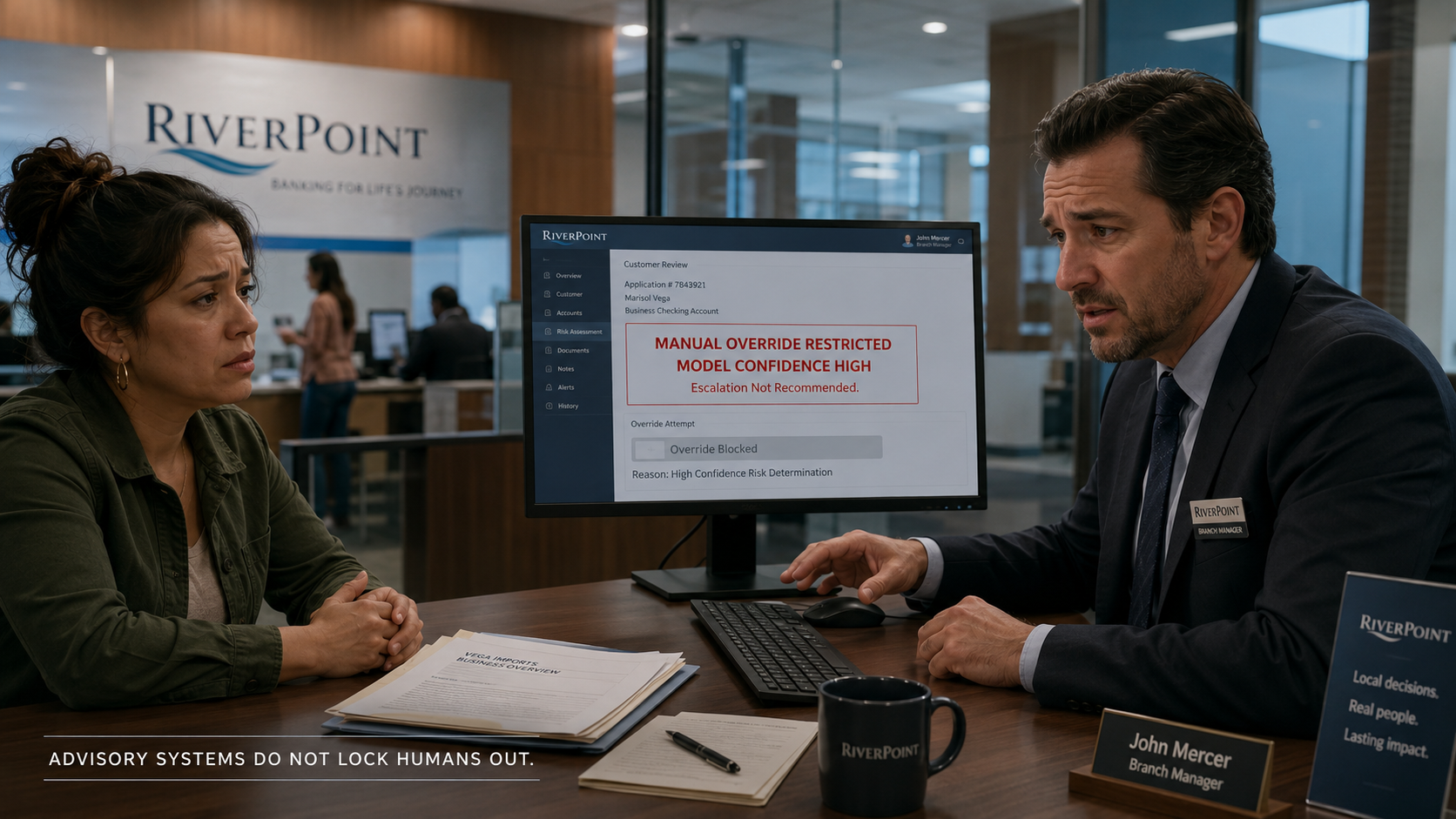
Automation must not lock qualified humans out of safety-critical decisions.
NASCA registration separates advisory automation from autonomous action, records override posture, and keeps operator responsibility visible. Organizations need a system that proves humans remain accountable where law, safety, and public impact demand it.
The executive risk problem
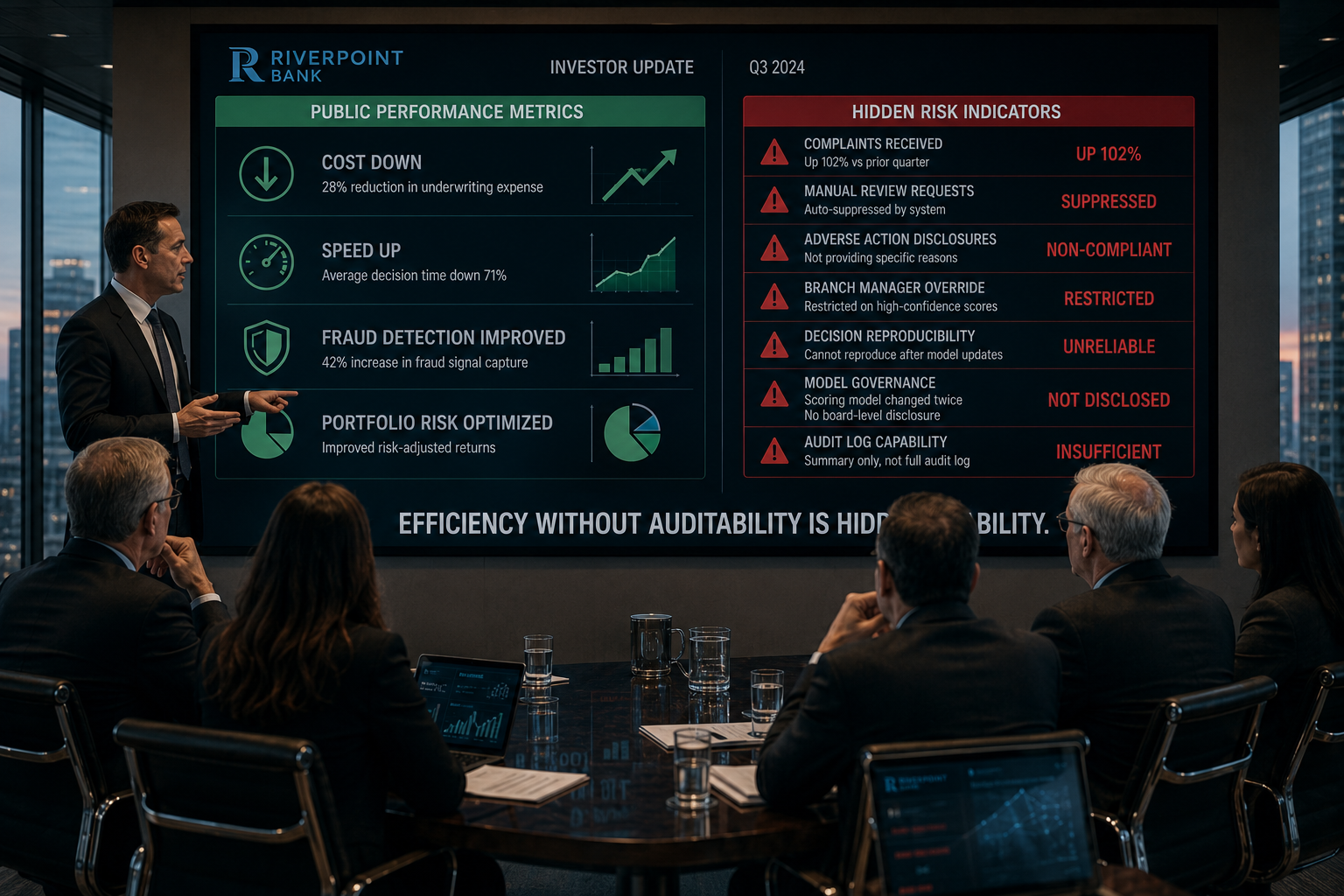
Efficiency without auditability becomes liability when the questions start.
Speed, cost reduction, and fraud detection claims are not enough. Certification readiness requires reproducible decisions, disclosed model governance, repository evidence, audit logs, adverse-action explainability, and reviewable evidence packages.

The board accountability problem
The worst time to build evidence is after a regulator, auditor, or court asks for it.
NASCA turns registration, repository linkage, certification posture, public verification, and restricted oversight into one traceable access model. Every meaningful action must be auditable, exportable, and defensible before the system scales.
Repository evidence
Repository guidancePrepare the source-control proof before certification intake.
Pick the provider used by the system team. NASCA opens onboarding at the repository step so the organization can enter the real repository URL, owner, branch, visibility, verification method, and safety-evidence purpose.
Enter NASCA
Verify nowVerify a system in the public registry
Search certification state, public seal posture, operator disclosures, visible revocation status, and field QR records without entering restricted workspaces.
Enter NASCA
Start registrationRegister an autonomous system
Create the organization profile, classify the system, attach repository evidence, select the certification path, and begin review with clear evidence requirements.
Enter NASCA
Request credentialsApply for auditor or law-enforcement credentials
Submit need-based oversight access requests with jurisdiction, organization, requested scope, expiration, and evidence purpose captured for review.
Enter NASCA
Open How To RegisterFollow the complete system registration guide
Review prerequisites, repository preparation, testing, paid certification, official QR-label ordering, shipment custody, placement evidence, independent verification, and field-ready lifecycle control.
Trust model
Public / organization / oversight